
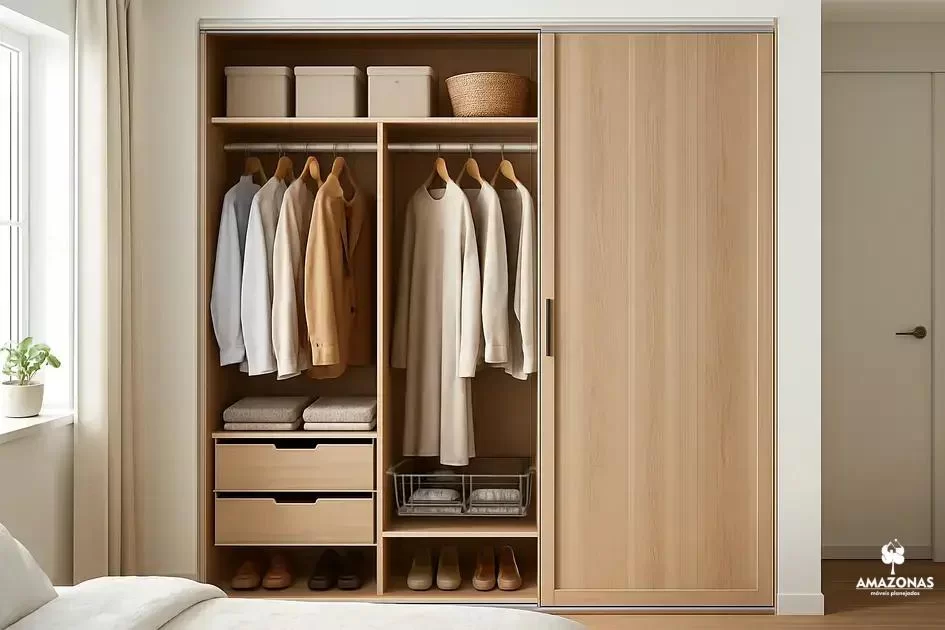
A custom closet is a personalized storage solution designed to maximize space, tailored to your specific needs with high-quality materials, offering better functionality, style, and long-term value compared to ready-made options.
Have you ever thought about how a custom closet could change your daily routine? Whether you’re battling cramped space or just need smarter storage, custom closets offer unique solutions that fit your lifestyle. Let’s dive into what makes them stand out and how to make the most of yours.
What is a Custom Closet and What Are Its Advantages?
A custom closet is a personalized storage solution designed specifically to fit your space and lifestyle needs. Unlike off-the-shelf closets, these are tailored in size, style, and features to maximize organization and accessibility.
One major advantage is efficient use of space — even small or awkwardly shaped rooms can be transformed into functional storage areas. Custom closets often include adjustable shelves, drawers, and specialized compartments for shoes, jewelry, and clothing, which helps keep everything in order.
Another benefit is the ability to choose materials and finishes that match your home’s decor, creating a cohesive and attractive look. Additionally, custom closets can increase the value of your property by showcasing smart storage solutions that appeal to buyers.
Maintenance also becomes simpler, as you can design the closet system to suit your cleaning preferences and lifestyle habits. Over time, this investment pays off by saving time searching for items and reducing clutter.
Key Advantages of a Custom Closet
- Maximized space usage: Designed to fit your exact room dimensions.
- Personalized organization: Specific compartments tailored to your belongings.
- Style and design flexibility: Choose colors and finishes to complement your interior.
- Increased home value: Adds appealing and practical features to your property.
- Enhanced accessibility: Items are easier to find and reach.
Considering a custom closet means investing in a system that grows with your needs and keeps your daily routine smooth and enjoyable.
Custom Closet vs. Ready-Made Closet: What’s the Best Choice?
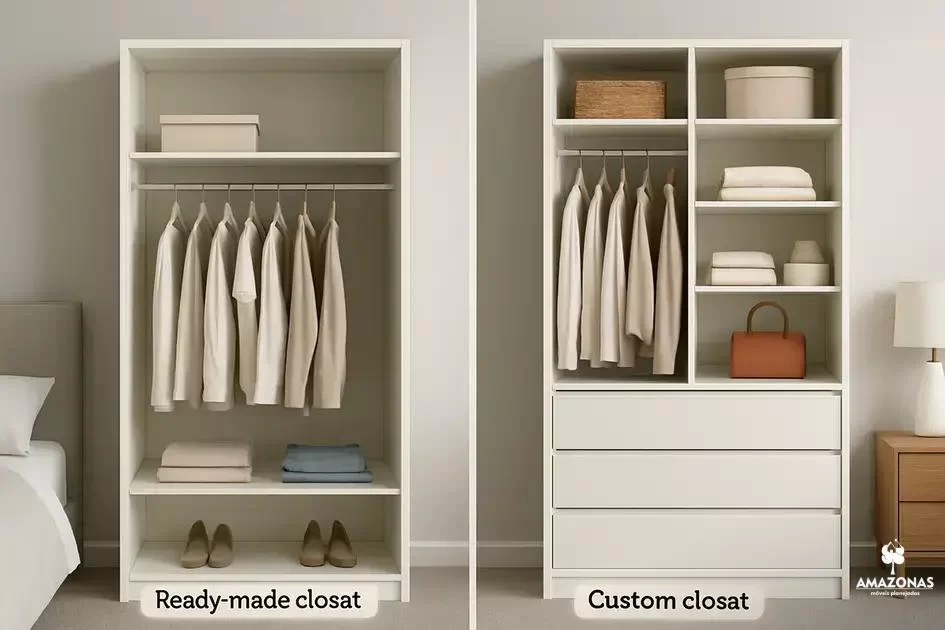
Choosing between a custom closet and a ready-made closet depends on your specific needs, budget, and space. Ready-made closets are pre-built and often cheaper, but they usually come in standard sizes and designs that may not fit perfectly in your room.
Custom closets, on the other hand, are tailored to your space and preferences. They provide more flexibility with materials, finishes, and accessories. This means you can create a design that maximizes every inch of your space and suits your lifestyle.
Advantages of Ready-Made Closets
- Lower initial cost
- Quick and easy installation
- Available in many styles and sizes
Advantages of Custom Closets
- Perfectly tailored fit for your space
- Personalized organization options
- Higher quality materials and craftsmanship
- Better use of vertical and awkward spaces
- Enhanced aesthetic appeal that matches your home decor
While ready-made closets might be suitable for simple needs or short-term solutions, custom closets offer a long-term investment in quality, organization, and style that can transform your daily routine.
How to Design a Small and Functional Closet
Designing a small and functional closet requires careful planning to make the most of limited space. Start by measuring the area accurately to ensure your design fits perfectly without wasting any corner.
Use vertical space wisely by installing tall shelves and stacking storage boxes or baskets. This helps keep items organized and accessible without cluttering the floor.
Maximizing Functionality
- Adjustable shelves: Allow you to change spacing based on the size of your items.
- Hanging rods: Use double rods to hang more clothes in a smaller space.
- Drawer units: Great for storing smaller clothing items or accessories.
Incorporate hooks and hangers on the inside of doors for belts, scarves, or bags to free up shelf space. Adding lighting inside the closet can make it easier to find items and improves overall usability.
Smart Storage Ideas
Consider sliding or bi-fold doors to save space compared to traditional swinging doors. Clear storage bins can help identify contents quickly without opening everything.
Mirrors installed on the closet door or inside can create a sense of more space and are practical for dressing.
Above all, prioritize what you use most often and keep those items easily reachable. Customizing a small closet thoughtfully balances storage needs with convenience and style.
Ideal Measurements for a Perfect Closet
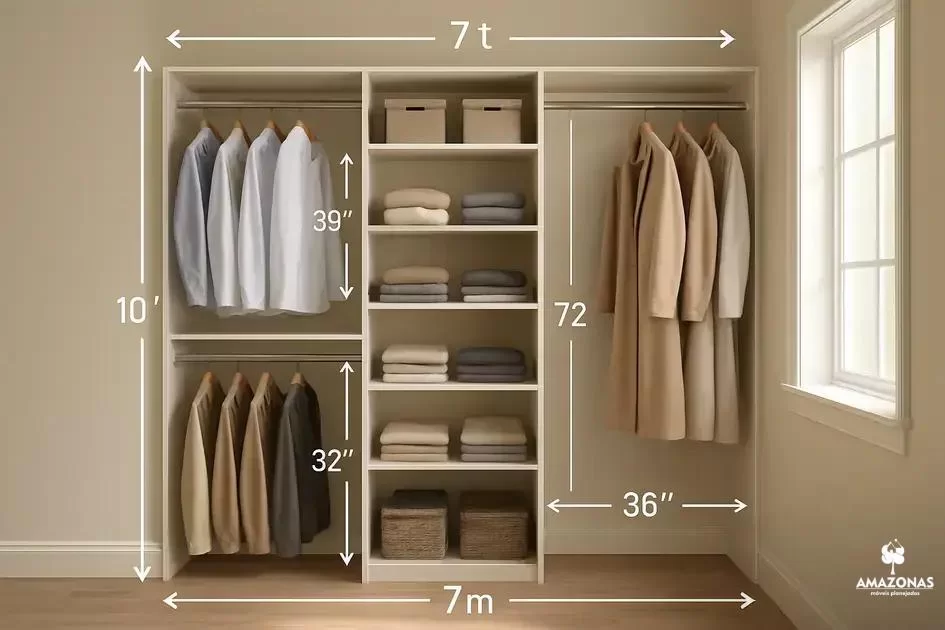
Understanding the ideal measurements is key to designing a perfect closet that is both functional and comfortable. The depth of closet shelves and rods typically ranges from 24 to 30 inches to accommodate most clothing types without wasting space.
The height of hanging rods varies depending on the type of clothing. For shirts, jackets, and folded pants, a height of 40 to 42 inches works well. For longer items like dresses or coats, allow at least 60 to 72 inches.
Standard Closet Dimensions
- Minimum width for a hanging rod: 24 inches per person.
- Recommended closet depth: 24 inches for single hanging, 30 inches for double hanging.
- Shelf spacing: 12 to 15 inches apart for folded clothes or shoes.
Walk-in closets should have a minimum aisle width of 36 inches for easy movement, but 42 to 48 inches offers more comfort. The overall size depends on available space and personal storage needs.
Keep in mind that lighting and accessibility also impact the overall design. Proper spacing ensures clothes don’t get wrinkled and everything stays easy to reach.
Types of Closets: Open, Closed, or Sliding Doors?
Closets come in various styles, and choosing between open, closed, or sliding doors depends on your space and preferences. Each type offers unique benefits and challenges to consider.
Open Closets
Open closets do not have doors, providing easy access and visibility to your clothes and accessories. They help keep you organized since everything is on display, but require consistent tidiness to look neat.
Closed Closets
Closed closets feature hinged or folding doors that conceal your belongings, giving a clean and streamlined appearance. They protect clothes from dust and offer more privacy, but doors need space to open, which might be a downside in tight rooms.
Sliding Door Closets
Sliding doors are perfect for limited spaces as they don’t require clearance to open. They slide smoothly along tracks and can be made with mirrors, wood, or glass. However, sliding doors may limit access to only one side of the closet at a time.
Consider your room size and how you use your closet when deciding the best door type. Sliding doors often work well in tight spaces, while open closets can create a boutique feel. Closed closets are ideal for a neat and tidy look.
Most Common Materials Used in Closet Manufacturing
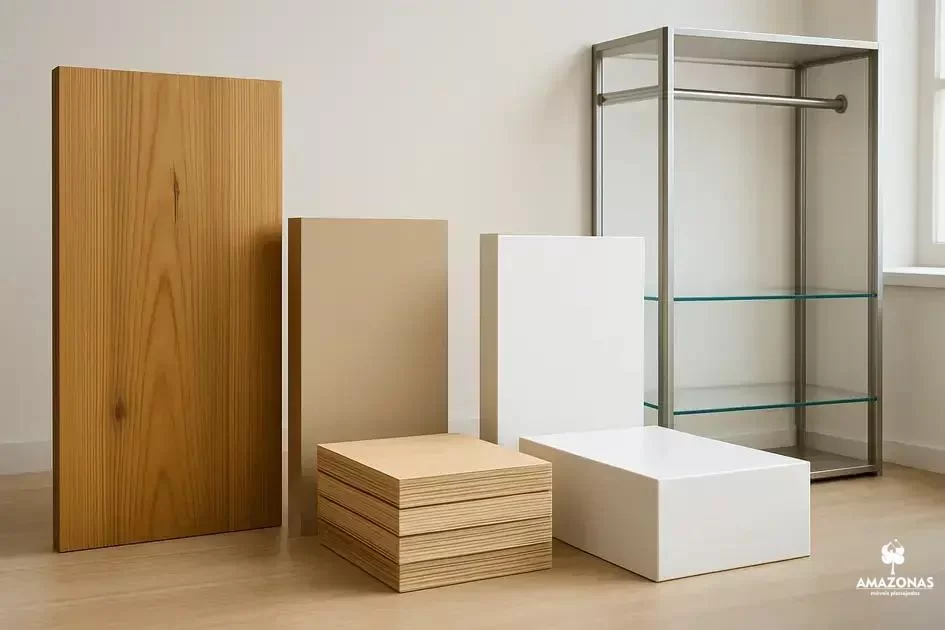
Closets are made using several types of materials, each offering different qualities in durability, appearance, and cost. Choosing the right material can greatly affect the look and lifespan of your custom closet.
Wood
Wood is a classic choice known for its strength and warmth. Solid wood like oak, maple, and cherry offers a durable and high-end finish but can be more expensive. Wood veneers provide a similar look at a lower cost by layering thin slices of wood over cheaper core materials.
Medium-Density Fiberboard (MDF)
MDF is an engineered wood product made by compressing wood fibers with resin. It is smooth, easy to paint, and affordable. While not as strong as solid wood, MDF is resistant to warping and is popular for closet shelves and panels.
Plywood
Plywood is made from thin layers of wood glued together, offering good strength and stability. It is used often in closet manufacturing due to its resistance to cracking and splitting, making it a versatile option.
Melamine and Laminates
Melamine is a durable, easy-to-clean surface that comes in various colors and textures. Often applied on MDF or particleboard, it gives closets a modern look and resists scratches and moisture.
Metal and Glass
For a contemporary design, metals like aluminum are used for rods, frames, and hardware. Glass can be incorporated in doors or shelves to add elegance and a feeling of openness.
Choosing materials depends on budget, style preference, and the desired durability of your closet. Many designs combine several materials to balance function and aesthetics.
Modern Closet Trends for 2025
In 2025, modern closet trends focus on combining style, sustainability, and smart technology. Homeowners want closets that not only look great but also make daily routines easier and eco-friendly.
Sustainable Materials
Many closets now use eco-friendly materials such as bamboo, reclaimed wood, or recycled composites. These options reduce environmental impact without sacrificing durability or style.
Smart Closets
Technology is becoming a big part of closets. Features like built-in lighting that adjusts based on the time of day, automated inventory systems to keep track of your clothes, and even climate control to protect delicate fabrics are gaining popularity.
Minimalist Designs
Clean lines and neutral colors dominate modern closet styles. Minimalism helps create a calm, clutter-free space, making it easier to find and store items. Open shelving mixed with hidden compartments keeps things organized and visually appealing.
Customization and Flexibility
Adjustable shelves, modular units, and versatile storage options let you change your closet setup as your needs evolve. This flexibility is key for adapting to new clothes, accessories, or changing lifestyles.
Integrating mirrors, seating areas, and decorative lighting also adds comfort and luxury to modern closets. These trends emphasize that a closet is not just storage but a personalized and functional part of your home.
How Much Does It Cost to Build a Custom Closet?
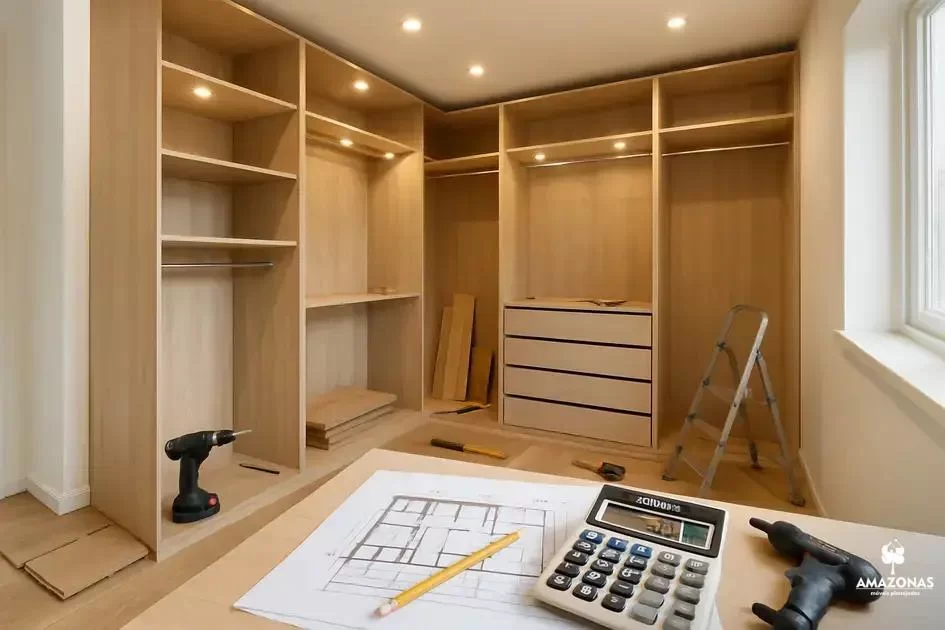
The cost of building a custom closet varies widely depending on size, materials, and design complexity. On average, prices range from $1,000 to $10,000 or more.
Factors Affecting Cost
- Size: Larger closets require more materials and labor.
- Materials: High-end woods and finishes cost more than basic laminates or MDF.
- Design features: Including drawers, lighting, mirrors, and specialty compartments adds to the price.
- Installation: Professional installation fees vary by region and complexity.
For a small reach-in closet, costs might start around $1,000 to $3,000 with basic materials. Walk-in closets with custom shelving and accessories tend to run from $5,000 to $10,000 or higher.
Additional options such as LED lighting, soft-close drawers, or built-in shoe racks can increase the budget but add long-term value and functionality.
Obtaining multiple quotes from experienced closet designers can help you find the best price for your needs and ensure quality craftsmanship.
Organization Tips to Keep Your Closet Always Perfect
Keeping your closet organized requires techniques that maximize space and maintain order over time. Using storage bins and clear containers helps visually separate different items and makes finding things easier.
Use Vertical Space
Install shelves up to the ceiling to store less-used items in labeled boxes. Hooks on the back of doors or walls can hold belts, scarves, or bags, freeing up valuable shelf and drawer space.
Sort and Categorize
Arrange clothes by type and color for quick access. Group similar items like shirts or pants together, which creates a neat and visually calm space.
Maintain Regularly
Schedule a closet check every few months to remove items you no longer use or need. Rotating seasonal clothes also helps keep your closet manageable.
Use Drawer Dividers
Dividers keep small items like socks, ties, or jewelry tidy and easy to locate. This prevents clutter and saves time searching for essentials.
Adding labels to bins and shelves encourages consistent upkeep and helps everyone in the household keep the closet perfectly organized. With these tips, your closet stays functional, neat, and inviting.
Why Choose Amazonas Planejados for Your Custom Closet?
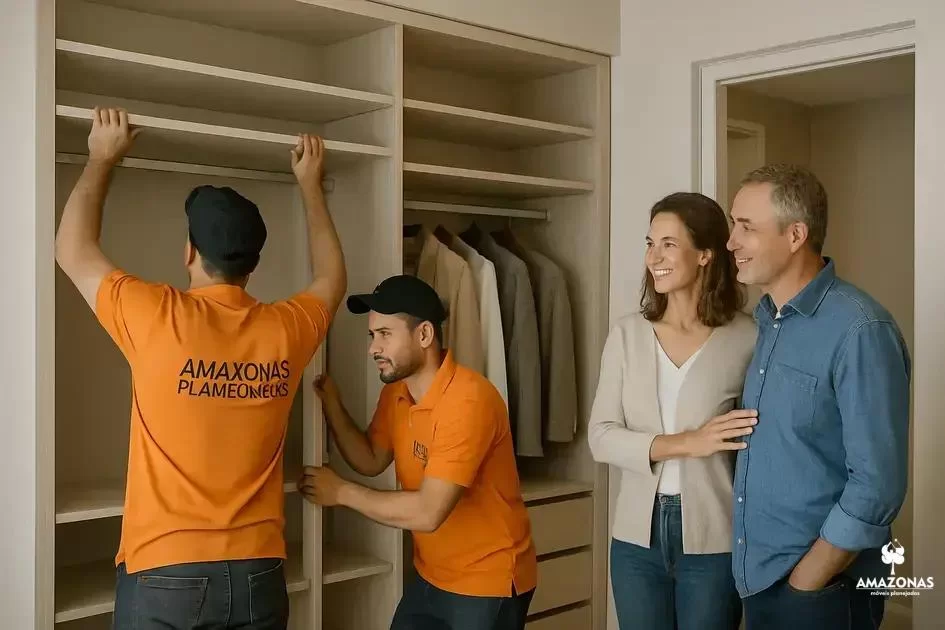
Amazonas Planejados stands out as a top choice for your custom closet needs due to its commitment to quality, customization, and customer satisfaction. Their expert team works closely with clients to design storage solutions that perfectly fit both space and lifestyle.
Expert Design and Craftsmanship
With years of experience, Amazonas Planejados ensures every closet is built with precision and high-quality materials. Their skilled craftsmen pay detailed attention to every element, from shelves to drawer finishes.
Personalized Solutions
Amazonas Planejados offers fully customized designs that reflect your preferences. Whether you want specialized compartments, luxury finishes, or smart storage features, they tailor the project to your vision.
Quality Materials and Durability
They use durable, sustainable materials that guarantee your closet not only looks good but lasts for years. This focus on quality often adds value to your home.
Excellent Customer Service
The team guides you through every step—from initial consultation to installation—ensuring transparency and responsiveness. Their support continues even after the project is complete.
Choosing Amazonas Planejados means investing in a closet that combines style, functionality, and long-term satisfaction, making them a trusted partner for your home organization needs.
Bringing It All Together
A custom closet can transform your space by combining style, function, and organization tailored to your needs. From choosing the right materials and designs to working with trusted experts like Amazonas Planejados, every step helps create a closet that fits your lifestyle perfectly.
Understanding costs, layout, and trends empowers you to make smart decisions that add value and convenience. With thoughtful planning and personalized touches, your custom closet will keep your home neat and elevate your daily routine.
Investing in a well-designed closet is not just about storage; it’s about enhancing how you live and enjoy your space for years to come.
FAQ – Custom Closets: Tips, Models, and Costs
What is the main advantage of a custom closet?
A custom closet maximizes your space by fitting perfectly to your room and provides personalized organization tailored to your needs.
How does a custom closet compare to a ready-made closet?
Custom closets offer more flexibility in design and materials, fitting your space perfectly, while ready-made closets are cheaper but come in standard sizes and styles.
What materials are commonly used in custom closet construction?
Common materials include solid wood, MDF, plywood, melamine, and sometimes metal and glass for modern finishes and durability.
How much does it typically cost to build a custom closet?
Costs vary widely but generally range from $1,000 for small reach-in closets to over $10,000 for large walk-in closets with custom features.
What are some tips to keep a closet organized?
Use storage bins, clear containers, drawer dividers, utilize vertical space, and regularly sort and remove items you no longer need.
Why should I choose Amazonas Planejados for my custom closet?
Amazonas Planejados offers expert design, high-quality materials, personalized solutions, and excellent customer service to ensure your closet meets your exact needs.

Sou sócio da Amazonas Planejados, marcenaria familiar fundada pelos meus pais em 1978 em Conselheiro Lafaiete, MG. Cresci dentro da empresa e trabalho diretamente com projetos de móveis planejados sob medida há mais de 20 anos — cozinhas, closets, quartos, salas e áreas gourmet.
Com formação em Administração de Empresas, acompanho cada projeto do primeiro atendimento até a instalação final. Já participei pessoalmente de centenas de projetos em Conselheiro Lafaiete, Ouro Branco, Congonhas e região.
Neste blog escrevo sobre o que aprendo na prática — medidas reais, materiais, processos e o que realmente funciona em um projeto de marcenaria sob medida. Sem teoria, sem achismo: só o que 45 anos de experiência ensinam no dia a dia.